


 By
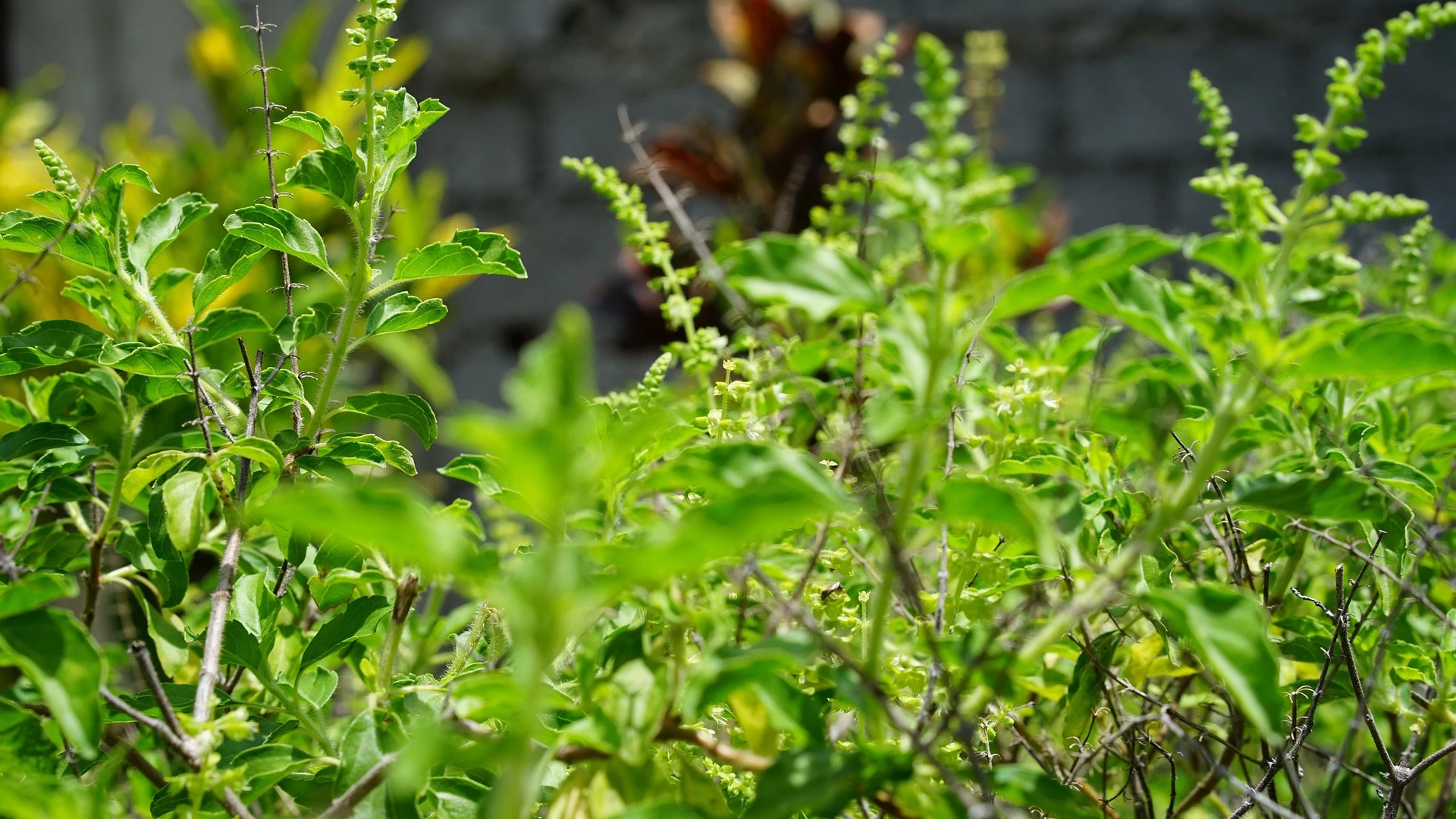
By Tulsi (also known as Holy Basil) is one of the most revered plants in Ayurveda and traditional Indian medicine, often referred to as the “Queen of Herbs” or the “Incomparable One.” Beyond its deep spiritual and cultural significance in Hinduism, it operates as a potent adaptogen—a natural substance that helps the body adapt to physical, environmental, and emotional stress.
Botanical Classification
Tulsi belongs to the mint family and shares a genus with culinary sweet basil, though its chemical profile and therapeutic properties are distinctly different.
- Kingdom: Plantae (Plants)
- Order: Lamiales
- Family: Lamiaceae (Mint family)
- Genus: Ocimum
- Species: Ocimum sanctum L. (synonym Ocimum tenuiflorum L.)
Types of Tulsi
While there are many variants, four primary types are widely recognized and used for their distinct flavors, appearances, and subtle variations in medicinal potency.
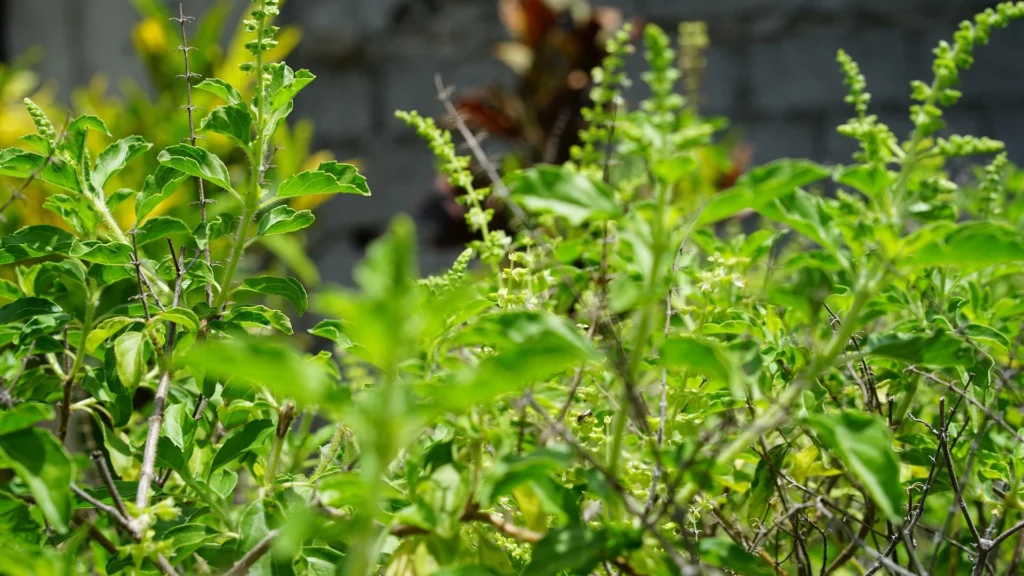
Rama Tulsi (Ocimum sanctum): Identifiable by its bright green leaves and white-to-light-purple flowers. It has a relatively mellow, sweet clove-like flavor and is the most commonly cultivated variety.
Krishna Tulsi (Ocimum sanctum): Also called Shyama Tulsi. It features striking dark purple-to-black leaves, stems, and inflorescences. It possesses a crisper, more pungent pepper-like taste and is traditionally considered to have the highest concentration of therapeutic compounds.
Vana Tulsi (Ocimum gratissimum): A wild, perennial forest variety that grows into a large, woody shrub. It has large, hairy green leaves and a sharp, lemony-clove aroma.
Kapoor Tulsi (Ocimum tenuiflorum variant): Heavily fragrant with a sweet, camphor-like scent. It is highly prolific, easy to grow, and commonly used in commercial herbal teas due to its pleasant, sweet taste.
Nutritional Profile
While typically consumed in small medicinal quantities (teas, extracts, or raw leaves), fresh Tulsi leaves contain a rich spectrum of macronutrients, vitamins, and minerals per 100g:
- Vitamins: Highly rich in Vitamin K (crucial for blood clotting and bone health) and Vitamin A (as beta-carotene for vision and immune function), alongside moderate amounts of Vitamin C.
- Minerals: Contains bioavailable Calcium, Phosphorus, Iron, Magnesium, and Potassium.
- Macronutrients: Low in calories, providing small amounts of dietary fiber and plant-based protein.
Phytochemical Composition
Tulsi’s therapeutic power stems from its dense complex of volatile essential oils and secondary metabolites:
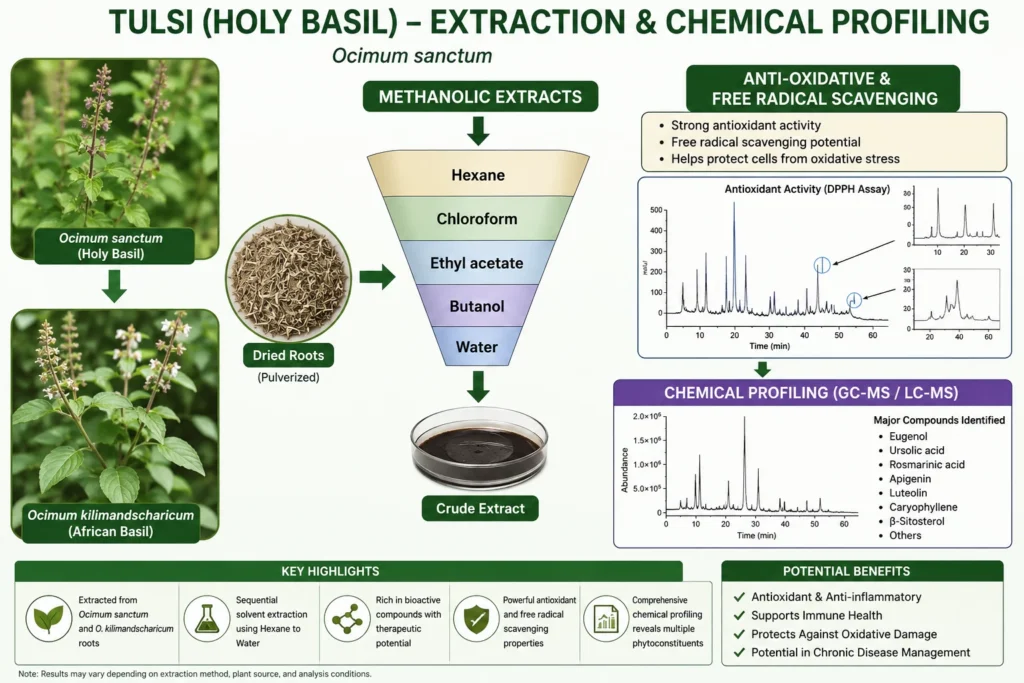
- Eugenol: The primary active volatile oil (also found in cloves), responsible for its distinct scent and powerful antimicrobial and anti-inflammatory action.
- Ursolic Acid & Rosmarinic Acid: Potent polyphenolic antioxidants that combat oxidative stress and slow cellular aging.
- Caryophyllene: A sesquiterpene that acts as a dietary cannabinoid, interacting with CB2 receptors to modulate inflammation.
- Apigenin & Luteolin: Flavonoids that support cellular defense and demonstrate neuroprotective qualities.
15 Science-Backed Health Benefits
Modern clinical trials and pharmacological research validate many of Tulsi’s traditional claims:
- Stress Reduction & Adaptogenic Activity: Lowers biological markers of stress, specifically balancing cortisol (the body’s primary stress hormone) levels.
- Anxiety and Mood Support: Clinical studies show it reduces symptoms of generalized anxiety disorder (GAD), depression, and stress-related sleep disturbances.
- Enhanced Cognitive Function: Protects neurons against oxidative damage, improving working memory, attention, and cognitive flexibility.
- Immunomodulation: Increases the activity of Natural Killer (NK) cells and T-helper cells, boosting defense against viral and bacterial infections.
- Antimicrobial Action: Broad-spectrum defense effective against a range of human pathogens, including E. coli, S. aureus, and fungal strains.
- Blood Glucose Regulation: Improves fasting and post-meal blood sugar levels, helping manage type 2 diabetes by supporting pancreatic beta-cell function.
- Lipid Profile Optimization: Helps lower total cholesterol, LDL (bad cholesterol), and triglycerides while protecting blood vessels from plaque buildup.
- Anti-Inflammatory Properties: Inhibits COX-2 enzymes (similar to over-the-counter anti-inflammatory drugs), reducing joint pain and systemic inflammation.
- Respiratory Relief: Acts as an antitussive (cough suppressant) and bronchodilator, relieving asthma, bronchitis, and congestion.
- Antioxidant Defense: Upregulates endogenous (body-grown) antioxidants like glutathione and superoxide dismutase to neutralize free radicals.
- Gastroprotection: Reduces stomach acid secretion and increases protective mucus production, helping prevent and heal gastric ulcers.
- Hepatoprotection (Liver Defense): Shields liver tissue against toxin-induced damage (such as heavy metals or medication overuse) by preserving metabolic enzymes.
- Cardiovascular Protection: Mitigates stress-induced high blood pressure and prevents free radical damage to heart tissues.
- Radioprotection: Phytochemicals like orientin and vicenin protect healthy cells and DNA from radiation-induced cellular damage.
- Wound Healing Acceleration: Increases wound tensile strength and speeds up tissue contraction when applied topically due to its antimicrobial and collagen-supportive traits.
Traditional & Practical Uses
Tulsi is an exceptionally versatile herb utilized across various mediums:
Medicinal & Dietary Uses
Tulsi Tea (Infusion): Steeping 4–5 fresh leaves or 1 teaspoon of dried powder in hot water for 5–10 minutes. Used daily for immunity, digestion, and stress relief.
Fresh Leaves (Chewing): Consumed raw on an empty stomach to freshen breath and boost oral health. (Note: Traditional Ayurveda advises swallowing or crushing rather than prolonged chewing, as the high iron/mercury content can theoretically impact tooth enamel over time).
Juice (Swarasa): Expressed juice from fresh leaves mixed with raw honey is a classic traditional remedy for acute pediatric coughs, colds, and fevers.
Topical & Cosmetic Uses
Skin Poultice: Freshly crushed leaves applied to ringworm, minor insect bites, or acne to leverage its anti-inflammatory and anti-fungal power.
Essential Oil: Diluted in carrier oils for aromatherapy to improve mental clarity, or added to skincare formulations for its antimicrobial properties.
The Power of Tulsi: Scientific and Medicinal Wonders of Holy Basil
Often referred to as the Queen of Herbs, Tulsi (Holy Basil) provides an array of extraordinary wellness benefits backed by traditional medicine and modern pharmaceutical research. Thanks to its inherent antimicrobial nature, it serves as a highly effective remedy for respiratory issues—alleviating conditions like asthma, bronchitis, and persistent coughing—while its dense composition of vitamins A, C, and K works to fortify the body’s immune system against dangerous pathogens. Furthermore, scientific studies indicate that Tulsi is packed with potent phytonutrients that help lower stress levels and combat everyday anxiety, alongside emerging clinical evidence showing its ability to inhibit the growth of abnormal cells. By incorporating this adaptogenic plant into a regular diet, individuals can actively neutralize cellular damage, purify their systems, and sustain long-term physical and mental health.
How to Prepare Tulsi Tea
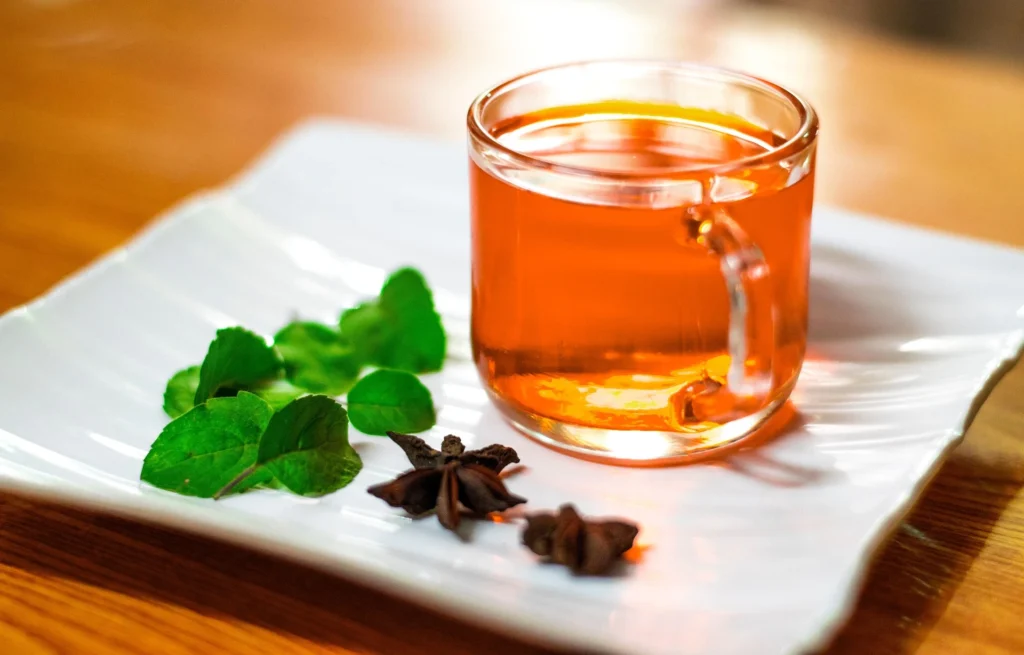
Tulsi tea, or Holy Basil tea, serves as a remarkable herbal defense system, trusted for generations to calm the mind and strengthen the body’s immune response against seasonal illnesses. To prepare this comforting beverage, start by bringing half a glass of water to a gentle boil, then toss in about twelve freshly picked, thoroughly washed Tulsi leaves to let their natural medicinal oils slowly infuse into the water over five minutes. Next, introduce a small piece of natural jaggery—an unrefined sugar known for its antioxidant wealth—and let the mixture simmer for an additional minute to beautifully balance the rich, herbaceous flavor profile. Once fully brewed, carefully strain the warm, greenish-amber infusion into a glass to enjoy a soothing home remedy perfect for clearing congestion, reducing everyday stress, and promoting holistic physical vitality.

Tulsi Ginger Remedy: An Effective Herbal Tea for Cough and Cold Relief
This traditional Tulsi Ginger herbal tea acts as a powerful natural expectorant and immune booster, offering immediate relief from persistent coughs, seasonal colds, and nasal congestion. To prepare this therapeutic drink, add one glass of water to a saucepan along with fifteen to twenty freshly washed Tulsi leaves and a one-inch piece of crushed ginger, then cover and let it boil dynamically for about five minutes until the water absorbs the potent botanical extracts. Once fully boiled, strain the aromatic, amber-colored infusion into a cup, mix in one teaspoon of pure honey for added throat-soothing benefits, and serve it warm to quickly soothe an irritated respiratory tract, clear chest congestion, and strengthen the body’s defenses.
Ayurvedic Healing: Tulsi Water Remedy for Thin, Damaged, and Sunburnt Skin
When the facial skin becomes overly thin, sensitive, and damaged, simple daily tasks like cooking over a hot stove can cause extreme burning sensations, redness, and irritation. To naturally soothe and repair this barrier, take ten fresh Tulsi (Holy Basil) leaves, grind them into a smooth, thin paste on a traditional stone, and mix it into a small amount of water inside a clean glass container overnight, ensuring you avoid using steel. The following morning, strain the mixture to collect the nutrient-rich herbal water, which remains stable at room temperature for up to four days without any refrigeration. By gently dabbing this calming, anti-inflammatory solution across your entire face with a clean cotton ball every night before bed, you can safely relieve deep tissue burning, reduce redness, and naturally restore a strong, healthy skin barrier over time.
Homemade Herbal Solution: Aloe, Tulsi, and Hibiscus Hair Pack for Hair Growth
This nutrient-rich, completely natural herbal hair pack leverages the combined strength of freshly harvested botanicals to dramatically reduce hair fall, soothe an itchy scalp, and stimulate strong new hair growth. To prepare this hair mask, gather a handful of fresh, deeply clarifying Tulsi leaves, one whole stalk of moisturizing aloe vera gel cut into small chunks, and a collection of nourishing hibiscus leaves and flowers. Combine all of these potent ingredients together into a blender and grind them into a smooth, vibrant green paste without adding any additional water. Applying this thick, vitamin-dense mask evenly from your roots to your tips allows the anti-inflammatory properties of Tulsi, the intense hydration of aloe vera, and the collagen-boosting properties of hibiscus to deeply condition your scalp and revitalize your hair follicles for healthier, thicker hair.
Tulsi Side Effects & Safety
While Tulsi (Holy Basil) is deeply revered for its medicinal excellence, excessive consumption can trigger serious adverse health effects that warrant careful medical consideration. Clinical warnings indicate that the herb can induce sudden uterine contractions capable of causing miscarriages, making it highly unsafe for pregnant individuals, while its natural ability to drastically lower blood sugar poses a dangerous risk of hypoglycemia for diabetic patients on medication. Furthermore, toxicological studies reveal that Tulsi contains high levels of eugenol, an active compound that in heavy doses can cause acute liver damage, nausea, rapid heart rates, and even seizures. Lastly, because the leaves naturally carry trace amounts of mercury, directly chewing them can erode tooth enamel and cause permanent dental discoloration, which is why experts strongly recommend swallowing the leaves whole or drinking them as a strained tea instead of chewing.
Who Should Avoid Tulsi?
Based on traditional medicine and pharmacological studies, certain individuals should exercise caution or completely avoid consuming Tulsi (Holy Basil):
- Pregnant and Breastfeeding Women: Tulsi contains compounds that can stimulate uterine contractions, which may increase the risk of miscarriage or premature labor.
- Diabetic Patients on Medication: Tulsi naturally lowers blood glucose levels. When taken alongside prescribed anti-diabetic medications, it can cause an unsafe drop in blood sugar (hypoglycemia).
- People on Blood Thinners (Anticoagulants): Tulsi has mild blood-thinning properties. Combining it with medications like warfarin, aspirin, or other anticoagulants can increase the risk of bruising and bleeding.
- Individuals Experiencing Infertility Issues: Some preliminary animal studies suggest that heavy consumption of Tulsi may impact reproductive health, potentially lowering sperm count and affecting fertility organ weights.
- People Scheduled for Surgery: Due to its blood-thinning effects, it is recommended to stop consuming Tulsi at least two weeks before any scheduled surgical procedure to prevent excessive bleeding.
Additionally, to protect your dental health, avoid chewing raw Tulsi leaves directly. The leaves naturally contain iron and trace amounts of mercury, which can cause tooth discoloration and erode dental enamel when chewed. It is safer to swallow them whole or consume them brewed as a strained tea.
The Biomedical Science of Holy Basil: Research Validating Tulsi’s Side Effects
Modern toxicological and clinical studies confirm that the active biomolecules in Tulsi (Ocimum sanctum), while therapeutically valuable, can cause distinct physiological side effects under specific metabolic conditions. High-performance liquid chromatography (HPLC) and chemical profiling reveal that the plant contains dense concentrations of eugenol; while eugenol serves as an excellent antioxidant, peer-reviewed toxicological research demonstrates that excessive dosages can overwhelm hepatic detoxification pathways, leading to localized cellular damage in the liver, rapid heart rate, and mild convulsions. Furthermore, controlled animal model trials have highlighted its active anti-fertility effects, proving that prolonged, heavy intake significantly reduces sperm count, motility, and the overall weight of key reproductive tissues. Laboratory assays also confirm that Tulsi’s methanolic extracts directly inhibit platelet aggregation and markedly lower blood glucose levels, establishing robust, data-backed evidence for its strict contraindication in patients undergoing anticoagulant therapy or taking prescription anti-diabetic medications.
Frequently Asked Questions (FAQs)
What are the health benefits of Tulsi (Holy Basil)?
Tulsi (Ocimum tenuiflorum) is rich in antioxidants and bioactive compounds. It is traditionally used to support immunity, respiratory health, digestion, stress management, and skin health. Research also suggests it has antibacterial, anti-inflammatory, and antioxidant properties.
How do you prepare Tulsi tea at home?
Wash 8–10 fresh Tulsi leaves and boil them in 2 cups of water for 5–10 minutes. Strain the tea and add honey or lemon if desired. Tulsi tea is traditionally consumed to support immunity and help relieve coughs and colds.
Are there any side effects of Tulsi?
Tulsi is generally safe when consumed in moderation. However, excessive intake may cause stomach discomfort or allergic reactions in some people. Individuals who are pregnant, breastfeeding, or taking blood-thinning or diabetes medications should consult a healthcare professional before regular use.
Can Tulsi be consumed every day?
Yes, many people drink Tulsi tea daily as part of a healthy lifestyle. However, moderate consumption is recommended, and long-term use should be discussed with a healthcare professional if you have underlying medical conditions or take prescription medications.
Conclusion
Tulsi (Ocimum tenuiflorum), also known as Holy Basil, is one of the world’s most respected medicinal herbs, valued for centuries in Ayurveda and traditional medicine. Rich in antioxidants and bioactive compounds, it has been traditionally used to support immunity, respiratory health, digestion, skin care, stress management, and overall wellness.
Modern scientific research supports many of Tulsi’s traditional uses, particularly its antioxidant, antimicrobial, anti-inflammatory, and adaptogenic properties. However, while laboratory and clinical studies are promising, further large-scale human research is needed to fully confirm its long-term therapeutic benefits and establish standardized dosages.
When used responsibly, Tulsi can be a valuable addition to a healthy lifestyle. It should be viewed as a complementary natural remedy rather than a replacement for professional medical care. If you are pregnant, breastfeeding, taking prescription medications, or have an underlying health condition, consult a qualified healthcare professional before using Tulsi regularly.
By combining centuries of traditional wisdom with modern scientific research, Tulsi continues to be one of nature’s most valuable herbs for promoting overall health and well-being.
For more evidence-based health information and global public health guidance, visit the :World Health Organization (WHO)
Read More: Kuppaimeni (Acalypha indica): Benefits, Uses, Side Effects & Scientific Facts
