

What is Kuppaimeni?
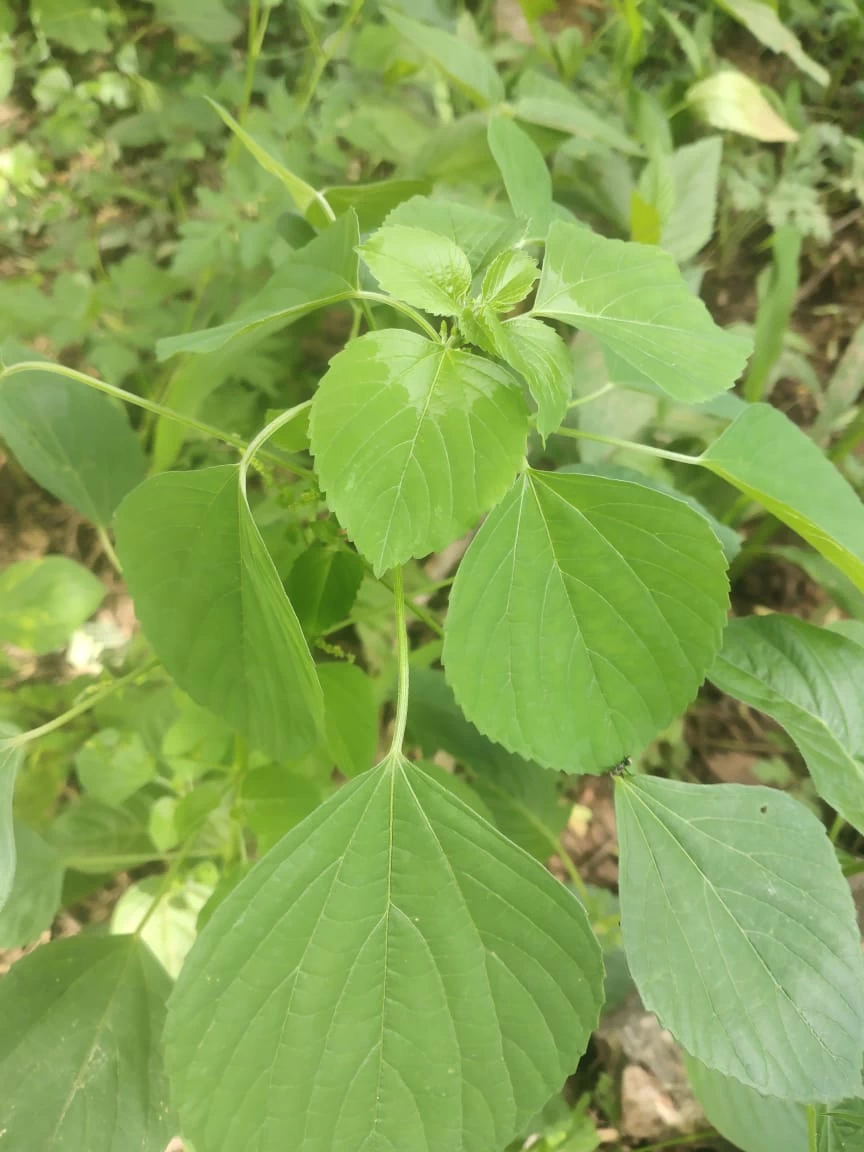
Kuppaimeni (Acalypha indica L.) is a medicinal herb belonging to the Euphorbiaceae family. Although it commonly grows as a wild weed in tropical regions, it has been valued for centuries in Siddha, Ayurveda, and traditional folk medicine.
The plant naturally grows across India, Sri Lanka, Southeast Asia, and Africa, thriving in gardens, roadsides, agricultural fields, and open wastelands. Despite its humble appearance, researchers have identified numerous bioactive compounds that contribute to its medicinal potential.
Unlike many herbal remedies promoted online, Kuppaimeni has attracted increasing scientific interest due to its antimicrobial, antioxidant, anti-inflammatory, wound-healing, and bronchodilator properties. However, it is important to distinguish between traditional uses and clinically proven therapeutic effects, as most current evidence comes from laboratory and animal studies rather than large human clinical trials.
Botanical Classification
- Scientific Name:Acalypha indica L.
- Family: Euphorbiaceae
- Common English Names: Indian Copperleaf, Indian Nettle, Three-seeded Mercury
- Tamil Name: Kuppaimeni
- Hindi: Kuppi
- Malayalam: Kuppameni
- Telugu: Kuppinta
Why Scientists Are Interested in Kuppaimeni
Medicinal plants are increasingly studied because they contain natural phytochemicals capable of influencing inflammation, microbial growth, oxidative stress, and immune responses.
Kuppaimeni contains numerous biologically active compounds, including:
- Flavonoids
- Phenolic compounds
- Alkaloids
- Tannins
- Terpenoids
- Saponins
- Sterols
- Glycosides
Several studies have isolated compounds such as acalyphine, kaempferol, gallic acid, caffeic acid, and stigmasterol, which are believed to contribute to the plant’s pharmacological activity.
Science-Backed Health Benefits
Kuppaimeni: A Natural Antibacterial Shield
Laboratory research confirms that Kuppaimeni (Acalypha indica) extracts powerfully inhibit the growth of dangerous, infection-causing bacteria like Staphylococcus aureus and E. coli. This proven antimicrobial activity actively breaks down bacterial defenses, providing strong scientific backing for its traditional use in rapidly clearing up minor skin infections and preventing surface wounds from worsening.
Evidence Level: Laboratory studies
Antifungal Properties
Scientific research shows that Kuppaimeni (Acalypha indica) leaves possess strong antifungal properties that actively target common organisms like Candida species and dermatophytes. These findings provide solid biological backing for its traditional use in clearing up stubborn fungal skin conditions, ringworm, and surface rashes. While human clinical trials are still expanding, the plant’s natural compounds offer a highly effective, time-tested herbal defense against irritating localized fungal growth.
Anti-inflammatory Effects
Inflammation is a major contributor to chronic disease and tissue damage. Animal studies suggest that Kuppaimeni extracts reduce inflammatory responses by modulating inflammatory mediators, supporting its traditional use for swelling and irritated skin.
Rich Antioxidant Potential
Phenolic compounds and flavonoids present in the plant help neutralize free radicals. Antioxidants may reduce oxidative stress, protect cellular structures, and contribute to healthy aging.
Wound-Healing Activity
Experimental studies have shown faster wound contraction and improved collagen formation following topical application of Kuppaimeni extracts in animal models. These effects are likely linked to its antimicrobial and anti-inflammatory properties.
Traditional Respiratory Support
In Siddha medicine, Kuppaimeni has long been used for cough, cold, bronchial congestion, and asthma. Preliminary pharmacological research suggests possible bronchodilator and expectorant effects, though robust clinical trials are still lacking.
Anthelmintic Activity
Laboratory investigations suggest that the plant exhibits activity against intestinal worms. While these findings are promising, modern antiparasitic medications remain the recommended first-line treatment.
Potential Hepatoprotective Activity
Some experimental studies indicate that Kuppaimeni extracts may protect liver tissue from chemical-induced damage. More human research is necessary before any therapeutic recommendation can be made.
Traditional Uses
Traditional medical systems commonly use Kuppaimeni for:
- Skin itching
- Ringworm
- Scabies
- Minor wounds
- Insect bites
- Cough
- Constipation
- Respiratory discomfort
These uses are based primarily on centuries of traditional practice and should not be interpreted as clinically proven treatments. While modern scientific research supports several biological activities of Acalypha indica, more high-quality human clinical studies are needed to confirm its therapeutic effectiveness and establish standardized dosage guidelines.
Interested in learning about more medicinal herbs? Explore our comprehensive guide on Tulsi (Holy Basil) to discover its science-backed health benefits, medicinal uses, nutritional value, preparation methods, side effects, and practical applications.
👉 Read More: Tulsi (Holy Basil): Benefits, Uses, Side Effects & Scientific Facts
How to use Kuppaimeni as a Natural
how to use Kuppaimeni as a natural remedy for various skin conditions
Skin Allergies: It is specifically designed to treat allergies, including eczema and rashes.
Healing Properties: The pack offers anti-inflammatory and antioxidant benefits to the skin.
Key Ingredients: The preparation involves using honey, which aids in healing, and rose water to provide essential hydration
The Health Benefits and Preparation of Kuppaimeni Herbal Drink
Kuppaimeni (Indian Acalypha) is a powerful traditional herb highly valued in Siddha medicine for its remarkable detoxifying properties. To prepare this health-boosting decoction, boil two glasses of water and add thoroughly washed Kuppaimeni leaves, followed by black pepper, cumin seeds (jeeragam), carom seeds (omam), a pinch of turmeric powder, and rock salt. When consumed twice a day once in the morning and once in the evening—for a full cycle of 48 days, this potent herbal drink works as an excellent natural cleanser for the intestines and effectively helps in reducing bad cholesterol levels in the blood, promoting overall long-term wellness.
The Benefits of Homemade Kuppaimeni Oil
Kuppaimeni (Indian Acalypha) is a powerhouse herb renowned for its remarkable ability to cure persistent skin irritation, bug bites, itching, and fungal rashes within just ten minutes of application. To prepare this potent healing oil, take a generous amount of fresh Kuppaimeni leaves, wash them thoroughly, and blend them into a smooth, thick paste. Next, heat one cup of pure coconut oil in a pan, add the fresh herbal paste, and simmer it gently until the oil absorbs the herbal properties and changes color. Once cooled, strain the dark green mixture and store it in an airtight container for an easy, natural home remedy ready to soothe any sudden skin inflammation or insect bites.
Dried Leaf Powder
the traditional process of creating a natural skincare treatment from the Kuppaimeni plant. The creator begins by harvesting fresh leaves and allowing them to dehydrate thoroughly in the sun. Once dried, the organic material is ground into a powder and passed through a fine sieve to ensure a smooth consistency. The finished product is then secured in airtight packaging to preserve its natural properties. Ultimately, the source serves as a brief guide for making homemade herbal remedies using simple, botanical ingredients.
Practical Uses
Beyond traditional medicine, Kuppaimeni has several practical applications:
- Medicinal home gardens
- Herbal educational programs
- Natural biodiversity conservation
- Botanical research
- Traditional herbal cosmetics
- Sustainable landscaping
Safety and Side Effects
Although generally considered safe for external traditional use, excessive or inappropriate consumption may cause:
- Skin irritation
- Allergic reactions
- Digestive upset
- Nausea
Pregnant women, breastfeeding mothers, young children, and individuals with chronic liver or kidney disease should avoid internal use unless advised by a qualified healthcare professional.
Scientific Limitations
Despite encouraging laboratory findings, current research has important limitations:
- Most studies are laboratory or animal experiments.
- Large-scale randomized human clinical trials are limited.
- Standardized dosing protocols have not yet been established.
- Herbal preparations may vary considerably in phytochemical composition.
Therefore, Kuppaimeni should be viewed as a complementary herbal resource rather than a replacement for evidence-based medical treatment.
Frequently Asked Questions
What Are the Side Effects of Kuppaimeni?
Kuppaimeni (Acalypha indica) is generally safe for external use, but some people may experience:
- Skin irritation or redness
- Allergic reactions
- Stomach upset if consumed in excess
Note: Pregnant women, breastfeeding mothers, and people with chronic health conditions should consult a healthcare professional before using Kuppaimeni internally.
For more evidence-based health information and global public health guidance, visit the World Health Organization (WHO).
How to Use Kuppaimeni for Skin Allergy
- Wash a handful of fresh Kuppaimeni leaves.
- Grind the leaves into a smooth paste.
- Mix with 1 teaspoon of honey and a few drops of rose water.
- Apply the paste to the affected skin.
- Leave it on for 10–15 minutes.
- Rinse with cool water.
Use 2–3 times a week for minor skin irritation.
Note: Do a patch test before use. If irritation worsens or the allergy is severe, stop using it and consult a healthcare professional.
Is Kuppaimeni scientifically proven to have medicinal benefits?
Several laboratory and animal studies have shown that Kuppaimeni contains bioactive compounds with antimicrobial, antioxidant, anti-inflammatory, and wound-healing potential. However, most of the current evidence comes from preclinical research. Large-scale human clinical trials are still limited, so Kuppaimeni should be considered a complementary herbal remedy rather than a replacement for evidence-based medical treatment.
Is Kuppaimeni safe to use every day?
External use of Kuppaimeni is generally considered safe for most people when the leaves are clean and used appropriately. However, some individuals may experience skin irritation or allergic reactions. Daily internal consumption has not been well established through human clinical studies, and excessive intake may cause digestive discomfort. Pregnant or breastfeeding women, young children, and individuals with chronic medical conditions should consult a qualified healthcare professional before using Kuppaimeni internally.