


 By
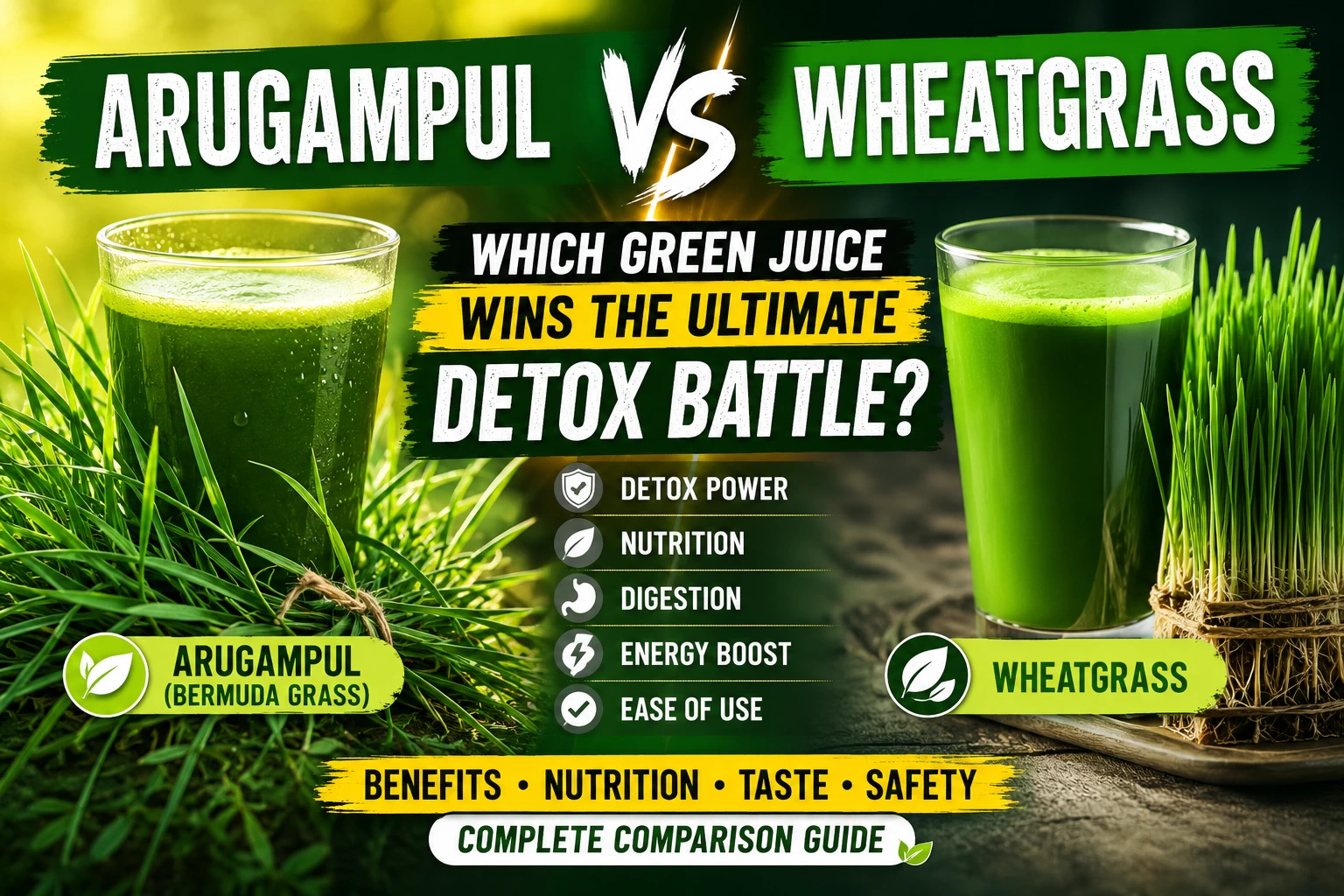
By The global wellness community has long debated the ultimate green shot: Arugampul vs Wheatgrass. For years, Wheatgrass juice has reigned supreme in Western juice bars as the ultimate shots-style detox tonic. However, in the East particularly within the ancient South Indian medical system of Siddha Arugampul (Bermuda Grass) has been utilized as a premier systemic purifier for thousands of years.
Both are vibrant green perennial grasses packed with chlorophyll, but they are far from identical. From their specific cellular bioactive compounds to their thermodynamic effects on the human body, these two grasses function quite differently.
This evidence-backed, comparative analysis breaks down the science, nutrition, bio-compounds, and safety metrics of Arugampul (Cynodon dactylon) versus Wheatgrass (Triticum aestivum) to help you choose the ideal green tonic for your body.
The Core Profiles: At a Glance
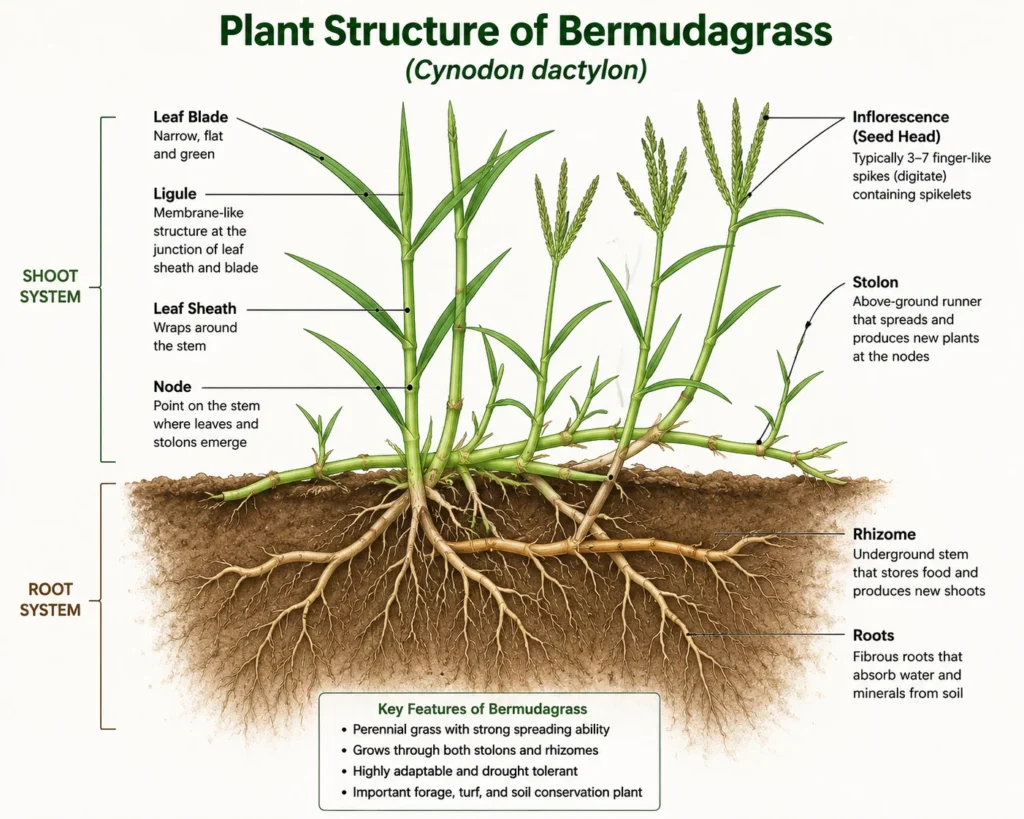
| Feature | Arugampul (Bermuda Grass) | Wheatgrass |
| Botanical Name | Cynodon dactylon | Triticum aestivum |
| Traditional Origin | Siddha & Ayurveda (Ancient India) | Traditional Western & Traditional Chinese Medicine |
| Thermodynamic Nature | Seetha Veerya (Highly Cooling) | Ushna/Sama (Mildly Warming to Neutral) |
| Primary Bio-Compounds | Apigenin, Luteolin, Orientin, Hydroquinone | Chlorophyllin, Superoxide Dismutase (SOD), Bioflavonoids |
| Gluten Status | 100% Gluten-Free (True Grass) | Gluten-Free (when harvested strictly before grain development) |
| Taste Profile | Earthy, mildly astringent, neutral | Sweet, intensely grassy, slightly pungent |
Chlorophyll Content and Vitality Boost
Chlorophyll is structurally almost identical to human hemoglobin, differing only by its central atom (magnesium in chlorophyll, iron in hemoglobin). This allows green juices to optimize oxygen transport across human tissues.
- Arugampul: Contains highly stable chlorophyll profiles. Because it is a wild, resilient grass that survives intense heat, its chlorophyll structure is exceptionally dense. It assists in cellular rejuvenation and works as an excellent long-term tonic for mild fatigue.
- Wheatgrass: Widely recognized for having an extraordinarily high concentration of raw chlorophyll (making up nearly 70% of its total chemical composition). This concentration delivers a rapid, intense burst of cellular energy and an immediate metabolic pickup.
Bioactive Compounds: The Deep Chemical ScienceBioactive Compounds: The Deep Chemical Science
While both grasses are loaded with basic antioxidants, their specific, isolated secondary plant metabolites serve entirely different therapeutic pathways.
Arugampul’s Secret Weapons:
- Hydroquinone (up to 69.49% in extract): Gives Arugampul profound antimicrobial and skin-brightening properties.
- Apigenin & Luteolin: Potent anti-inflammatory flavonoids that have been studied for their ability to suppress inflammatory cellular signaling and calm systemic allergic responses.
- Orientin & Vitexin: Unique C-glycosides that reinforce microvascular circulation and provide specific protection to cardiac tissues.
Wheatgrass’s Secret Weapons:
- Superoxide Dismutase (SOD): A premier enzyme antioxidant that acts as a primary defense shield against oxidative damage to cells, aggressively slowing down the cellular aging process.
- P4D1 Enzyme: A specific glycoprotein found in wheatgrass that has been shown in laboratory models to stimulate DNA repair mechanisms and reduce inflammation in the tissue linings of the digestive tract.
The Thermodynamic Battle: Body Heat vs. Cooling
This is where the two grasses diverge dramatically, a factor heavily emphasized in traditional medicine but completely ignored by generic health blogs.
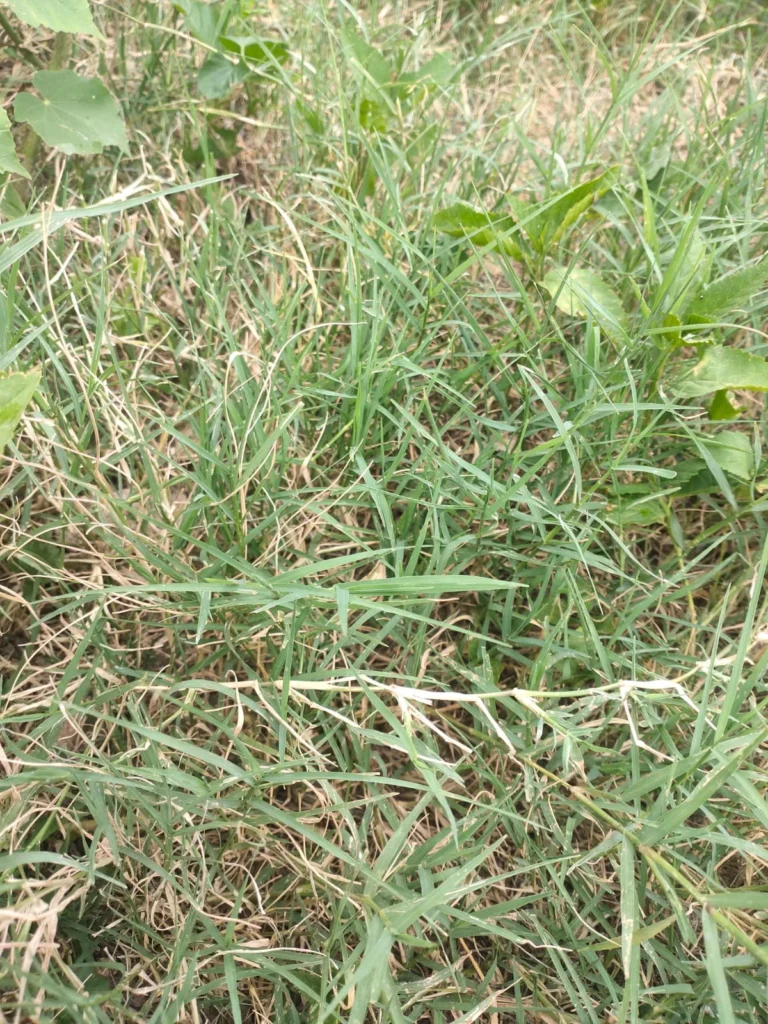
- Arugampul is a Powerhouse Systemic Coolant (Seetha Veerya): It aggressively targets and lowers metabolic body heat (Pitta). If you struggle with conditions triggered or worsened by internal heat—such as acid reflux, burning sensations during urination, hot flashes, or inflammatory acne—Arugampul acts as a soothing balm to calm the system down.
- Wheatgrass is Metabolically Active & Neutral-to-Warming: Wheatgrass accelerates metabolic processes and cellular turnover. Because it stimulates digestion and thyroid function quite intensely, it can generate mild internal heat during metabolism.
Digestion and the Elimination of Toxins
Both green shots are highly alkaline, making them fantastic for neutralizing acidic wastes built up from modern diets. However, their mechanisms of action vary:
- Arugampul for Soothing Gastric Tissue: Because of its high alkaline and flavonoid profile, Arugampul focuses on soothing the digestive lining. It acts as a natural antacid, alleviating ulcers, healing gastritis, and providing smooth, regular bowel movements without irritating the colon.
- Wheatgrass for Intestinal Detoxification: Wheatgrass acts like a broom for the digestive tract. It contains active live enzymes (like amylase, lipase, and protease) that actively break down impacted waste material in the intestines. However, its intensity can sometimes cause mild temporary nausea or a “healing crisis” in individuals with highly sensitive stomachs.
Blood Sugar and Cardiovascular Health
Arugampul (The Glycemic Regulator): Peer-reviewed pharmacological studies (such as Singh et al., 2007) have shown that a regular dose of Arugampul’s aqueous extract can reduce blood glucose levels by up to 31% within 4 hours by optimizing insulin secretion. Furthermore, it significantly lowers serum Triglycerides and LDL (bad) cholesterol. The complete peer-reviewed literature is indexed on the National Center for Biotechnology Information (NCBI).
Wheatgrass (The Vascular Purifier): Wheatgrass focuses heavily on blood purification and lipid regulation. It inhibits the oxidation of lipids in the bloodstream, reducing plaque accumulation in arterial walls and supporting overall cardiovascular elasticity.
Sourcing, Accessibility, and the “Hyperaccumulator” Safety Hazard
Sourcing is where the choice between these two juices becomes a matter of critical safety.
⚠️ THE HYPERACCUMULATOR HAZARD (ARUGAMPUL)
Arugampul is a biological "hyperaccumulator." It aggressively sucks up whatever is in the soil—including toxic heavy metals like Lead, Cadmium, and Arsenic.

* Sourcing Caution: If you pick wild Arugampul from urban roadsides, public parks, or next
Wheatgrass (Controlled Cultivation): Wheatgrass is almost universally grown under highly controlled indoor conditions, typically in shallow trays using organic soil or hydroponic setups over a strict 7-to-10-day cycle. This virtually eliminates the risk of heavy metal poisoning or environmental contamination, making it a much safer, more consistent option for urban city dwellers.
The Verdict: Which One Should You Drink?
Neither grass is universally “better” than the other; rather, they serve different physiological needs.
Choose Arugampul If:
- You have high internal body heat (Pitta): You deal with frequent acid reflux, burning sensations, or summer fatigue.
- You want to manage metabolic markers safely: You are looking to gently lower or maintain blood sugar, triglycerides, and bad LDL cholesterol levels.
- You have inflammatory skin or hormonal issues: You are managing acne, eczema, or conditions like PCOS that require blood purification and cooling properties.
- Requirement: You have access to a clean, chemical-free, rural source of fresh grass.
Choose Wheatgrass If:
- You need a rapid cellular energy boost: You are looking for a pre-workout shot or a coffee replacement to snap you out of chronic lethargy.
- You want an intense digestive cleanout: You want to utilize active live enzymes to detoxify your gut and intestines thoroughly.
- You live in a dense urban environment: You prefer the absolute safety and consistency of controlled, tray-grown, or hydroponic indoor greens.
If you decide to try the systemic cooling power of Bermuda grass, make sure you know how to prepare it cleanly to avoid contamination. Read our full, detailed guide on [Arugampul Benefits: Health Uses, Nutrition, Juice Recipe, and Heavy Metal Safety Facts] to learn how to prepare this ancient Siddha tonic the right way.
Frequently Asked Questions (FAQ)
Can I mix Arugampul and Wheatgrass juice together?
While it is physically possible to blend them, herbal medical systems generally advise against it. Arugampul is intensely cooling (Seetha Veerya), whereas Wheatgrass is metabolically active and mildly warming to neutral. Combining them can send conflicting thermodynamic signals to your digestive system, occasionally resulting in mild stomach cramps, bloating, or indigestion. It is best to choose one based on your specific body type (Dosha) and stick with it.
Does Arugampul or Wheatgrass contain gluten?
True Arugampul (Bermuda grass) is a distinct wild grass variety that is naturally 100% gluten-free. Wheatgrass is derived from the Triticum aestivum wheat plant; however, the grass blades themselves do not contain gluten—gluten is only found in the actual wheat grain kernel. If Wheatgrass is harvested early (typically around day 7 to 10, before the jointing stage when seeds form), it is completely gluten-free. However, individuals with severe Celiac disease must ensure their wheatgrass powder is strictly certified gluten-free to avoid cross-contamination.
Why does Wheatgrass make some people feel nauseous, while Arugampul does not?
Wheatgrass contains a massive concentration of active, live enzymes and a high volume of raw chlorophyll. When it hits an empty stomach, it initiates a rapid, aggressive purge of metabolic waste and mucus from the stomach lining, often triggering a temporary emetic (nausea) reflex. Arugampul, on the other hand, contains higher levels of soothing flavonoids and acts as a natural alkaline antacid, calming gastric irritation rather than forcing an aggressive enzymatic cleanout.
Which of the two is better for managing high blood pressure and diabetes?
Arugampul has a slight edge in peer-reviewed clinical research regarding blood glucose and lipid management. Studies confirm that its aqueous extract can lower blood sugar levels by up to 31% within 4 hours by improving pancreatic insulin response, while simultaneously reducing harmful triglycerides and LDL cholesterol. Wheatgrass is excellent for general vascular health and blood oxygenation, but Arugampul acts as a more direct metabolic and glycemic regulator.